BLAST PROTECTION, SECURITY PERFORMANCE, AND GLASS HAZARD MITIGATION
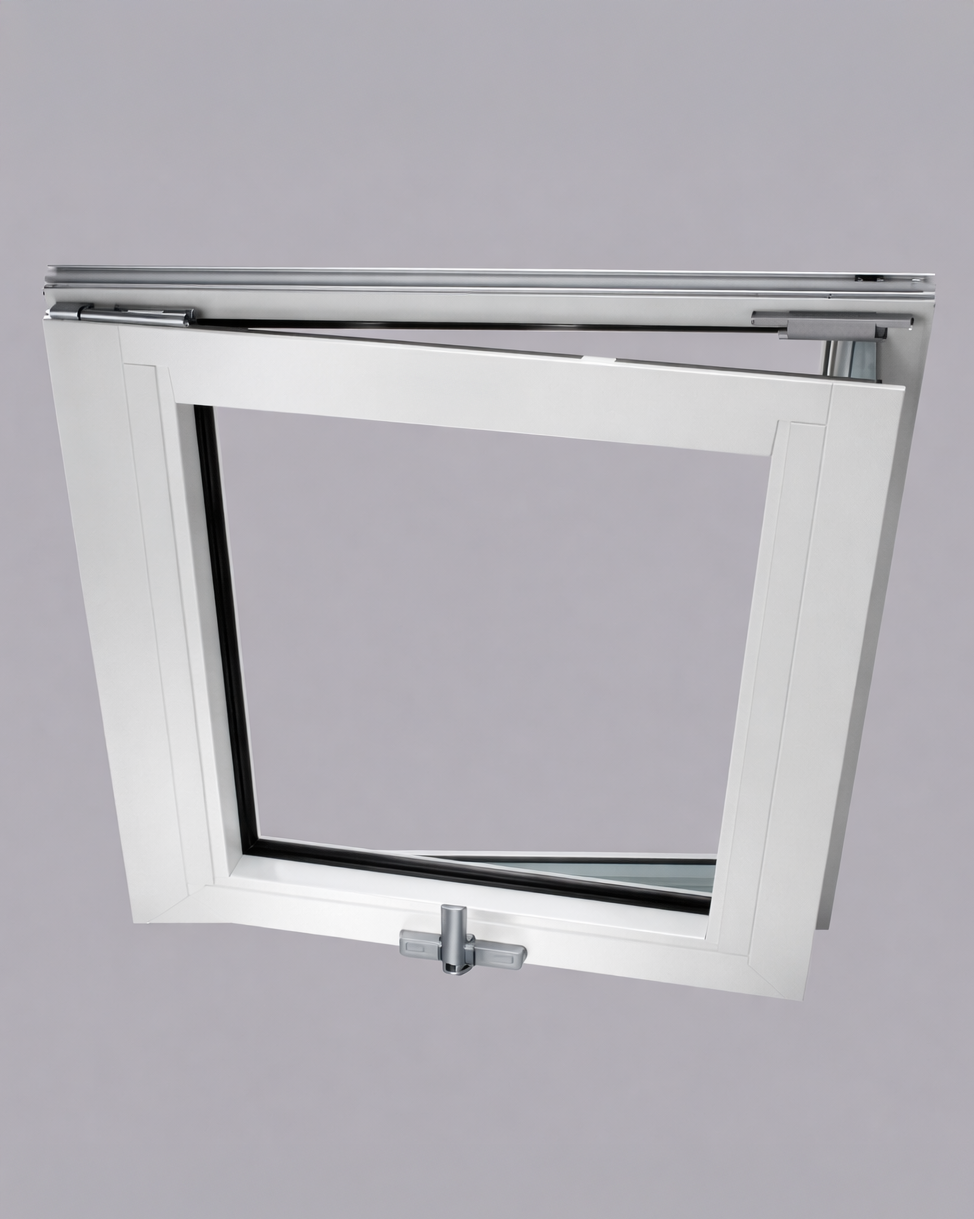
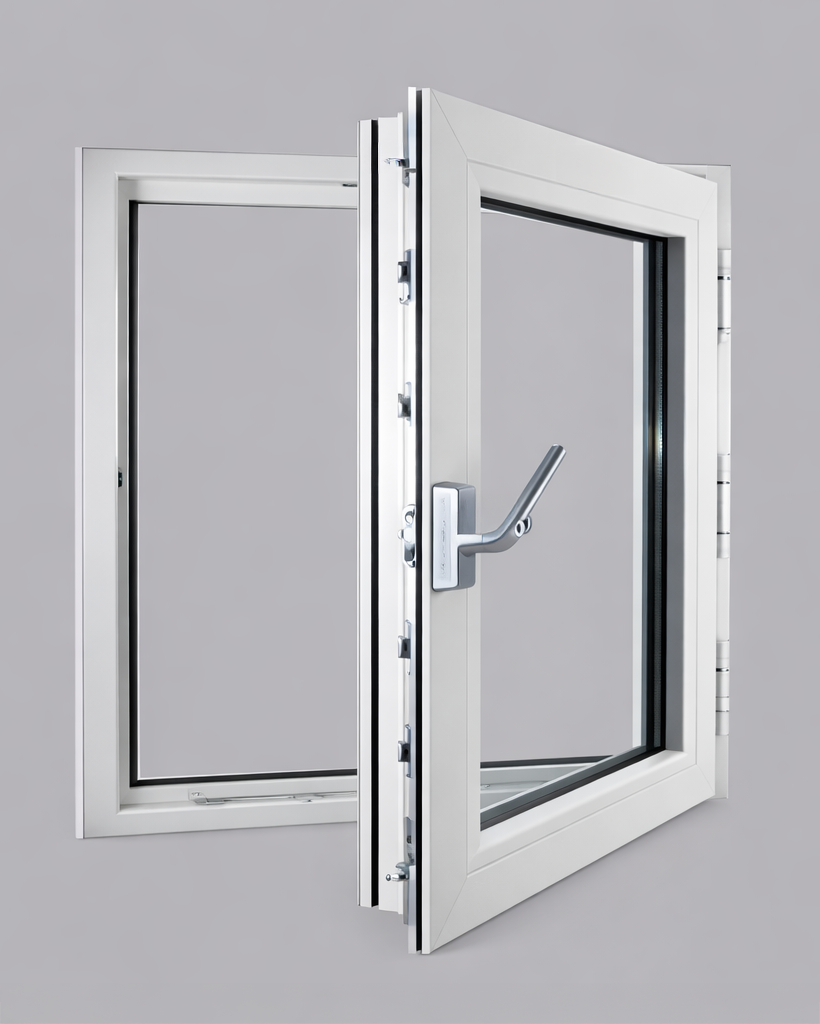
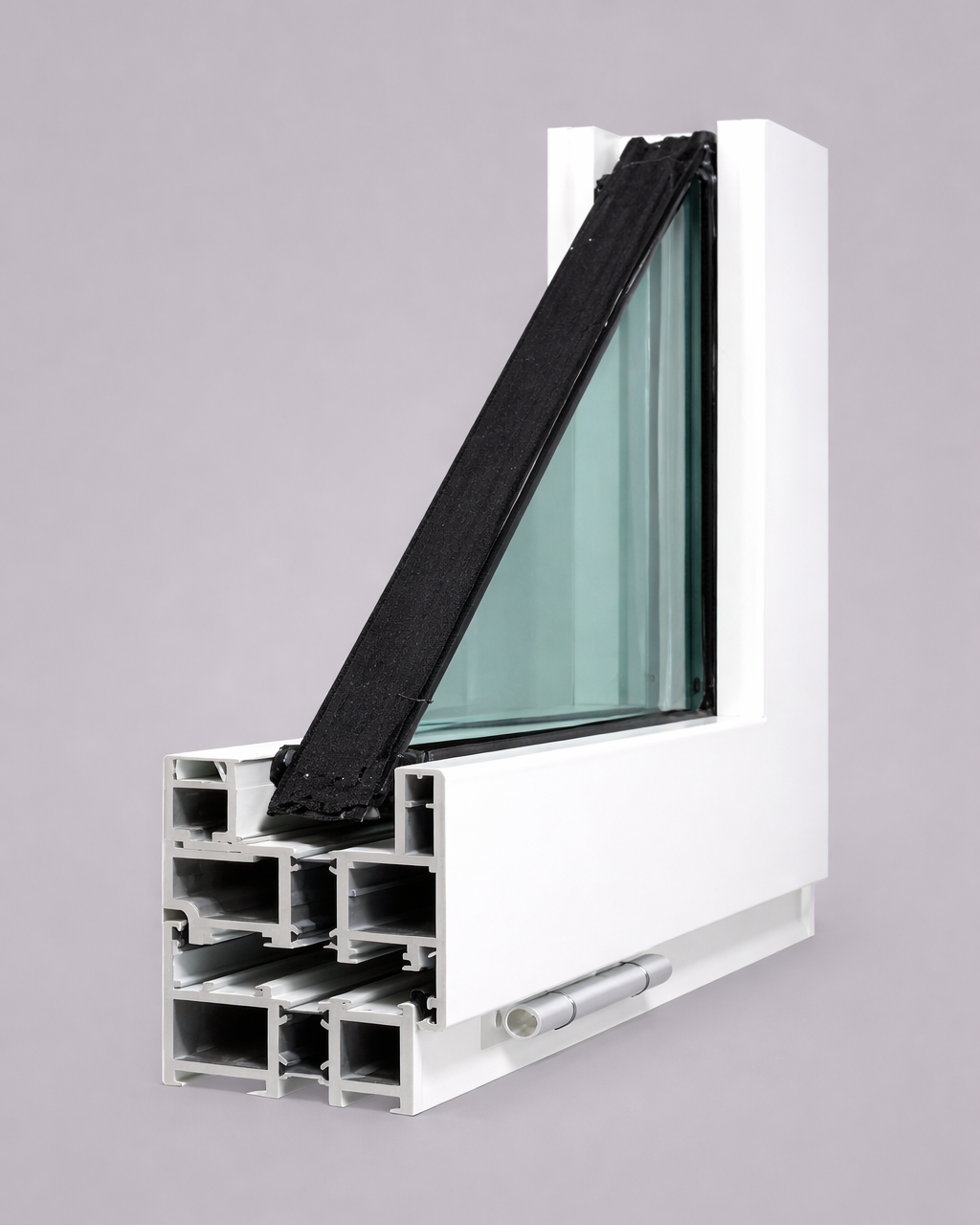
GlassLock's ForceDefender window and door systems enhance building security while providing blast protection for facilities that rely heavily on glass as a primary architectural element. These systems are designed to integrate high-level security performance with architectural flexibility, making them suitable for both contemporary construction and historically significant structures.
ForceDefender windows and doors are available in primary and secondary configurations and can be specified as fixed or operable units, with customizable finishes to meet project requirements. All systems are tested to meet ISC/GSA Performance Criteria Level 2 and can also provide RF attenuation and electronic eavesdropping countermeasures, supporting both physical and information security objectives.
While architectural glass has been used in buildings for centuries, modern design trends favoring larger expanses of glass and minimal supporting structure have significantly increased the structural demands placed on glazing systems. Research from the University of Bath's Centre for Structural and Architectural Engineering has identified uncontrolled glass failure as a serious hazard, particularly in blast or impact scenarios where shattered glass can become high-velocity debris. As transparency and openness continue to shape architectural design, unmanaged glass hazards represent a growing vulnerability. Incorporated into new construction or retrofit applications, the ForceDefender product line addresses these risks while preserving architectural intent.
ARCHITECTURAL INTEGRATION, HISTORIC PRESERVATION, AND BALANCED DESIGN
GlassLock offers low-profile, energy-efficient secondary window systems that provide a cost-effective security glazing solution for buildings with historic, preservation, or architectural constraints. These secondary systems are available in fixed or operable configurations, with operable units designed to allow access to the primary window for cleaning and maintenance without disrupting the original window assembly. They are particularly well suited for projects where original windows cannot be replaced or visibly modified, allowing enhanced protection while maintaining architectural character and sightlines.
Effective blast mitigation requires more than strengthened glass alone. GlassLock's architectural anchoring solutions address a critical component of window system performance that is often overlooked. A balanced design approach ensures that the performance capacities of the glass, window frame, and anchoring system are properly aligned with the surrounding structure, including substrates, walls, structural framing, and roof systems. GlassLock systems can be design-built or retrofitted to meet both architectural and structural requirements, supporting a comprehensive and integrated approach to building security.
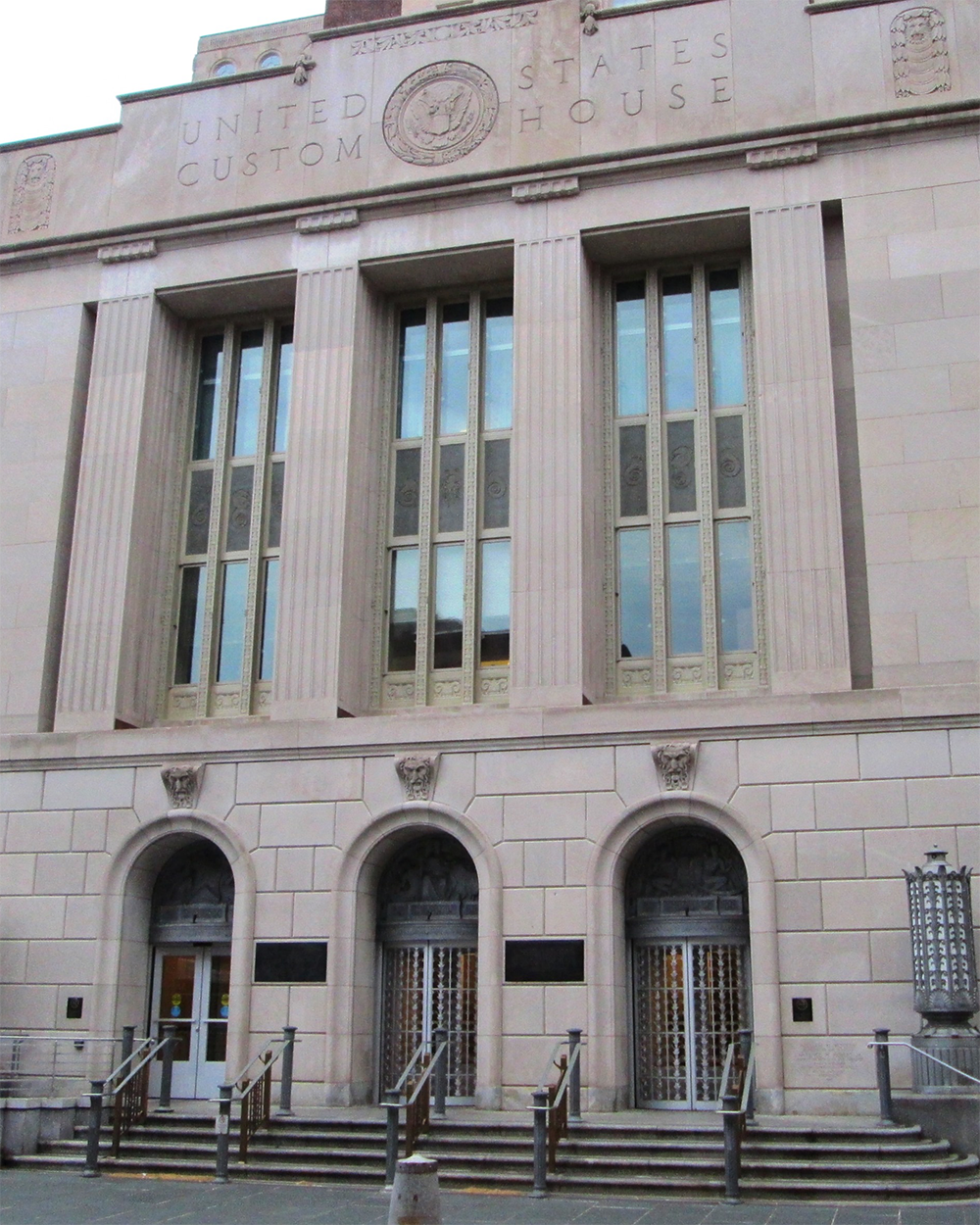
CASE STUDY: U.S. CUSTOM HOUSE, PHILADELPHIA
THE SITUATION
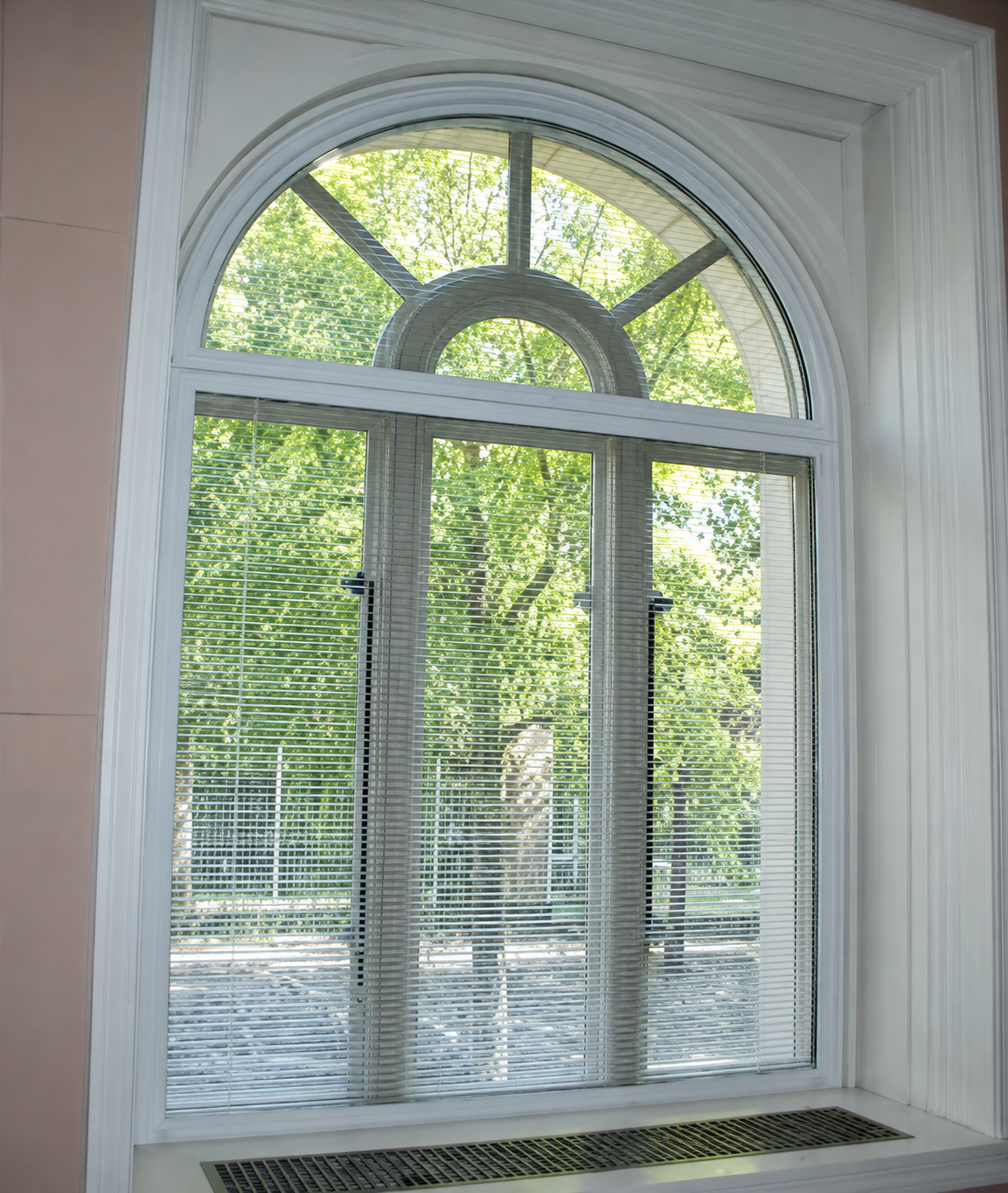
As part of a U.S. Department of State security initiative, officials at the U.S. Custom House were required to increase protection against glass-related hazards. The building is listed on the National Register of Historic Places, and its architectural integrity could not be compromised. Twenty-one original windows were identified as requiring additional protection. These windows could not be replaced or upgraded using conventional glass fragment retention methods. Because GlassLock has extensive experience working in historically significant structures, the General Services Administration Regional Historic Officer selected GlassLock to design and install a custom retrofit window and anchoring system.
THE SOLUTION
GlassLock worked closely with the GSA Regional Historic Officer to design a custom solution using low-profile secondary windows. This approach provided the required level of glass hazard protection without altering the existing window systems. The secondary windows preserved original sightlines, were visually unobtrusive to occupants, and had no impact on the building's exterior appearance. The historic character of both the interior and exterior was maintained. In addition to meeting blast performance criteria, the window inserts improved energy efficiency and provided sound attenuation benefits.
INTERESTED?
Learn how ForceDefender can help protect your facility from blast and forced entry threats. Request a consultation today.
CONTACT